Gen Z slang, actually explained: rizz, no cap, delulu and friends
2026-07-30 · Idiomer
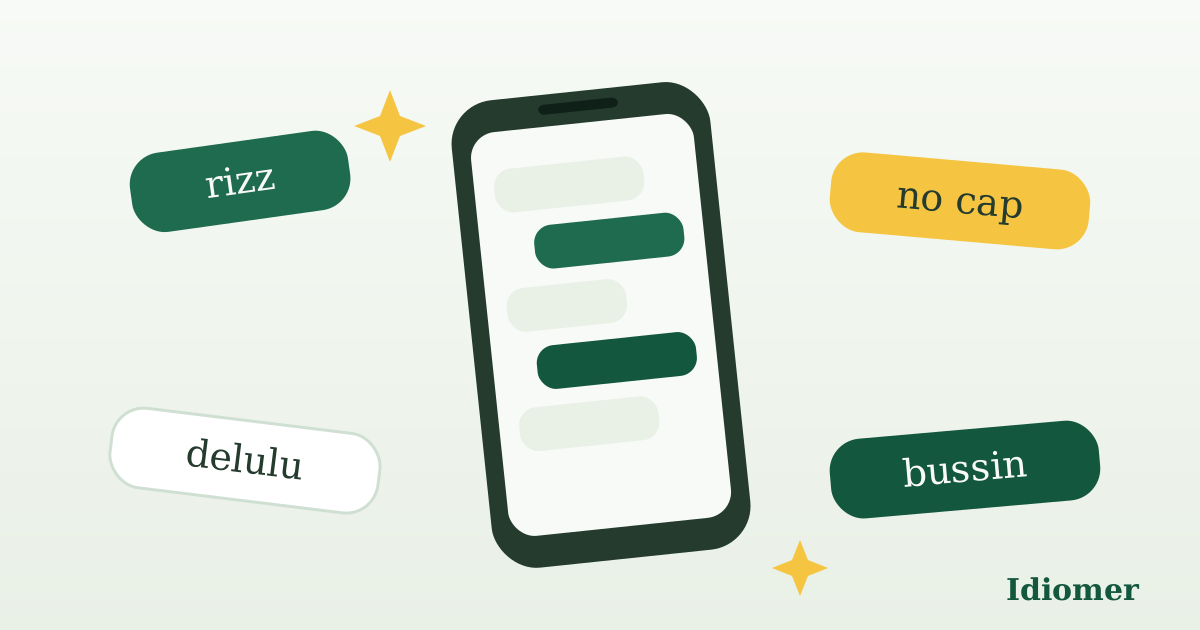
If you've heard a teenager say a sentence that contained no words you recognized, this guide is for you. These are real entries from Idiomer's Gen Z slang topic — documented from actual usage, not guessed at.
The core vocabulary
- Rizz — charisma; the ability to charm a romantic interest. Can be a verb: to rizz someone up.
- No cap — "no lie, I'm serious." Cap means a lie, so no cap means the truth.
- Bussin — extremely good, usually about food. "This bánh mì is bussin."
- Mid — thoroughly mediocre. The politest devastating insult ever engineered.
- Slay — to do something impressively well. Often just an interjection of approval.
- Ate — past tense of slaying: she ate that presentation.
- Delulu — delusional, usually about a crush or an unrealistic plan, and usually said with affection.
- Brain rot — what too much low-quality scrolling does to you; also the content that causes it.
- Cooked — doomed, finished, in serious trouble. "We have a test tomorrow? I'm cooked."
- Skibidi — genuinely means almost nothing; a nonsense word from a YouTube series that became a vibe. If you had to ask, that's the point.
Why slang belongs in a dictionary
Slang is where language changes first. Half of today's "proper" English idioms were Victorian slang once — Idiomer documents 1800s slang from Brewer's and Hotten's dictionaries right next to 2020s slang, with the same evidence-first standard: real usage, traceable sources, and an honest note about who says it and when.
That's also why entries are labeled. Anything vulgar carries an 18+ badge and stays out of practice drills unless you opt in — so a student can drill everyday idioms safely, and a curious parent can still look up what they just overheard.
Keep up without cringing
The fastest way to sound wrong is to use slang six months too late. The safer play: understand it, don't force it. Idiomer's Gen Z entries note when a term is already fading — check the dated topic to see where slang goes when it retires.
Want these phrases to stick? Drill them with endless practice questions →